
Regenerating Africa’s Soil.
Decarbonizing the Global Food Chain.
Bridging smallholder resilience with global carbon finance through decentralized biochar production in the Global South.
10 Countries | 14 MoUs | 4 Pilots Live
To solve food insecurity and climate change simultaneously by transforming agricultural waste into soil-reviving biochar and high-integrity carbon removals.
Path Being develops decentralized biochar projects across Africa and Latin America, turning agricultural waste into soil regeneration and high-quality carbon removal credits.We work with local agricultural businesses and cooperatives to produce biochar from residues such as rice husks, coffee husks, and cacao pods—creating both agronomic and climate value.
Biochar production using locally available agricultural residues
Soil application to improve yields and reduce fertilizer dependency
Carbon removal credits issued under international standards
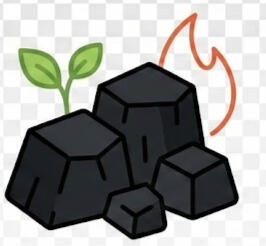
BIOCHAR from Agricultural Residue
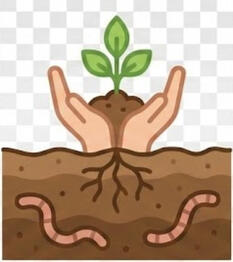
Soil regeneration & yield improvement
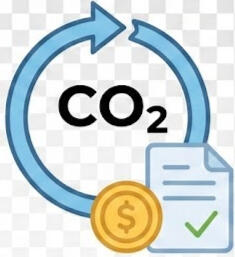
Verified carbon removal credits
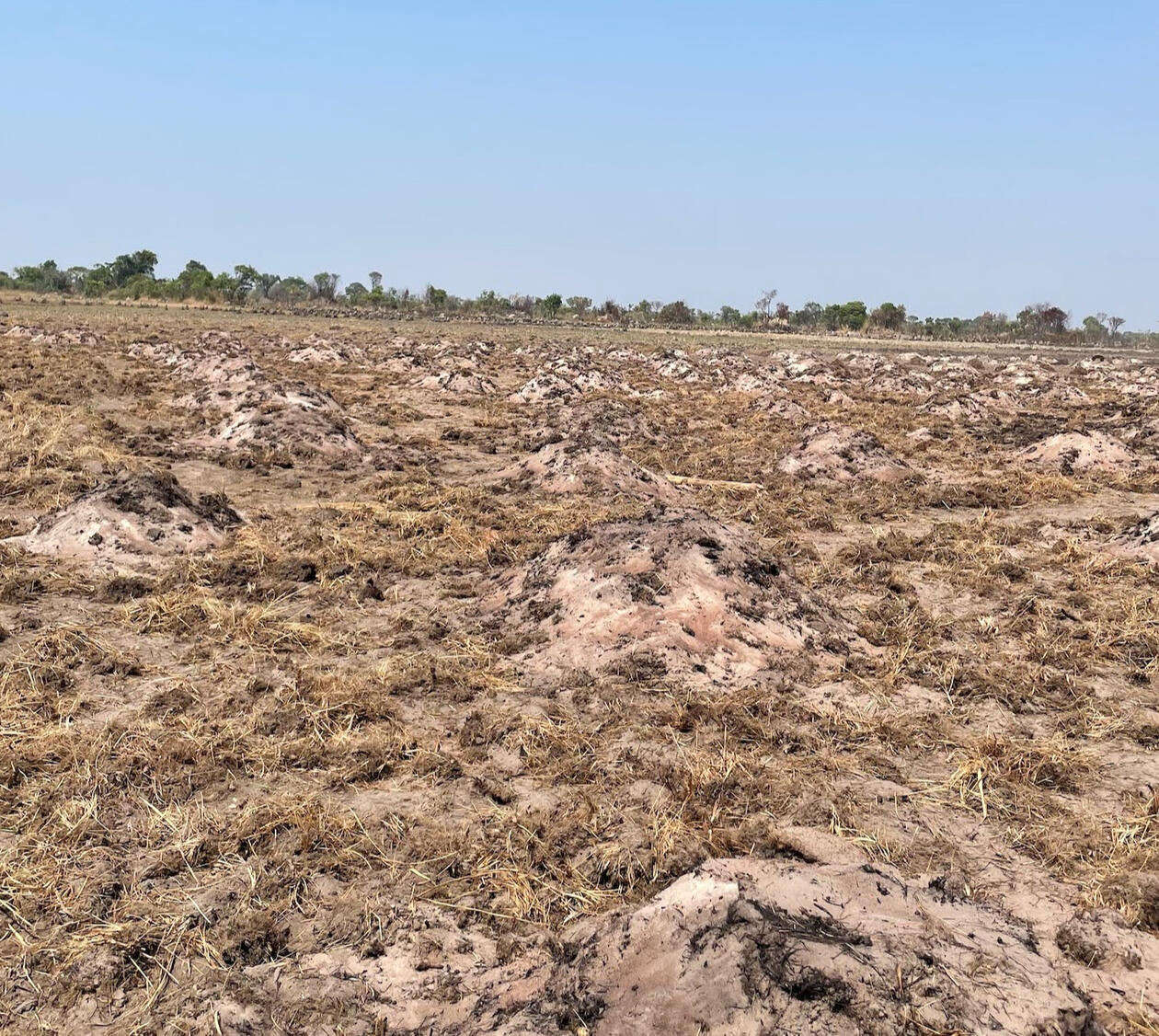
Africa’s Agriculture at a Breaking Point
Africa is facing a convergence of soil degradation, climate volatility, and food insecurity. Over 80% of farmland in Sub-Saharan Africa is moderately or severely degraded. Smallholder farmers—who make up more than 90% of the agricultural workforce—are experiencing declining yields, rising fertilizer costs, and unstable harvests.At the same time, millions of tons of agricultural biomass are burned or left unused each year, releasing avoidable CO₂ while valuable resources go to waste. Meanwhile, global demand for high-quality carbon removal credits is rapidly increasing—but supply remains severely constrained, particularly in Africa.Centralized infrastructure rarely matches the fragmented reality of rural supply chains—where most farms are small or mid-sized.
WHY BIOCHAR
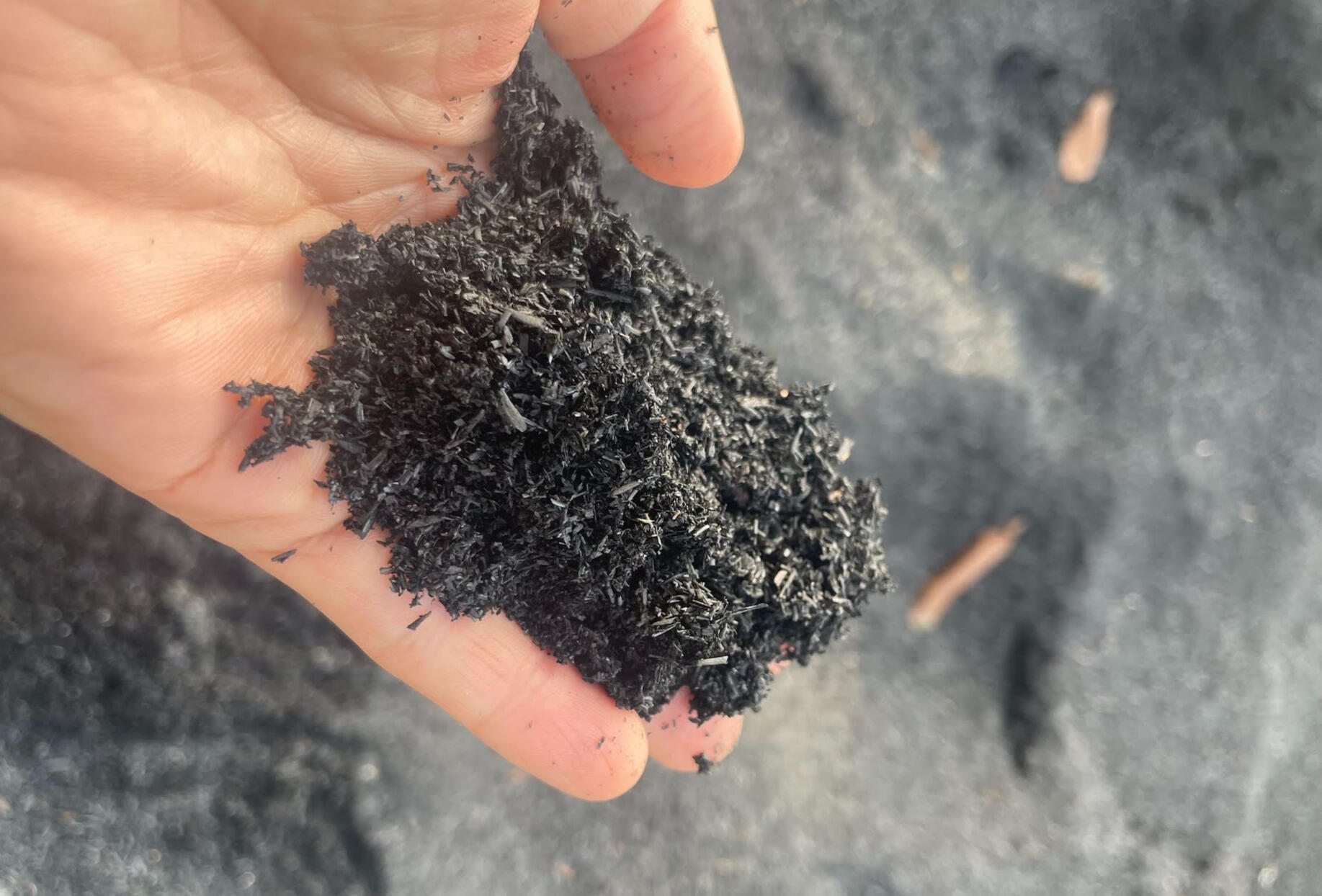
Biochar: The 100+ Year Soil Solution
Biochar uniquely sits at the intersection of regenerative agriculture, climate mitigation, and circular economy.
100+ Year Solution
Permanently sequesters carbon for centuries, offering a durable climate solution.
Yield Boost
Boosts crop yields by 30–50% by retaining water and nutrients in the soil.
Fertilizer Savings
Reduces chemical fertilizer needs by up to 50%, lowering costs for farmers.
Carbon Removal
Sequesters 2 tons of CO₂ for every ton produced, creating high-value credits..
WHY NOW
The Convergence of Technology & Economics
Biochar is gaining global momentum thanks to its newfound economic viability through Biochar Carbon Removal (BCR).Previously, biochar was restricted to a niche for eco-conscious farmers. Everything shifted with the 2019 IPCC guidelines and the world's first biochar credit in 2020. For the first time, carbon credits have made biochar a financially viable, cost-effective weapon against climate change.
The Missing Middle: Why We Scale Where Others Can't
While Europe and North America have rapidly deployed pilots, Africa has been largely left behind. Path Being operates in the "Missing Middle"—the sweet spot between efficiency and local adaptability.
Mega-plants requiring massive biomass transport
* High logistics costs
* Disconnect from local farmers
* High CAPEX risk
Mega-plants requiring massive biomass transport
* High logistics costs
* Disconnect from local farmers
* High CAPEX risk
Medium-scale pyrolysis units deployed directly in supply chains
* Eliminates transport costs
* Industrial-grade quality & MRV
* Supports local resilience
01. Joint Venture Operations
We co-operate biochar production with local agribusinesses and cooperatives, ensuring local ownership and operational resilience.Project Co-Development
Path Being does not operate as a consultant. We co-develop projects to ensure success:
* Feedstock assessment & project design
* Equipment selection and deployment
* Operations, data collection, and MRV
* Carbon certification and market access
02. Biochar CDR Fund
A fund-leveraged platform connecting decentralized African projects to global climate finance and high-value carbon markets.Scaling Through Carbon Finance
We enable small and mid-sized agricultural players to participate in carbon markets—democratizing access to capital while delivering measurable climate impact.
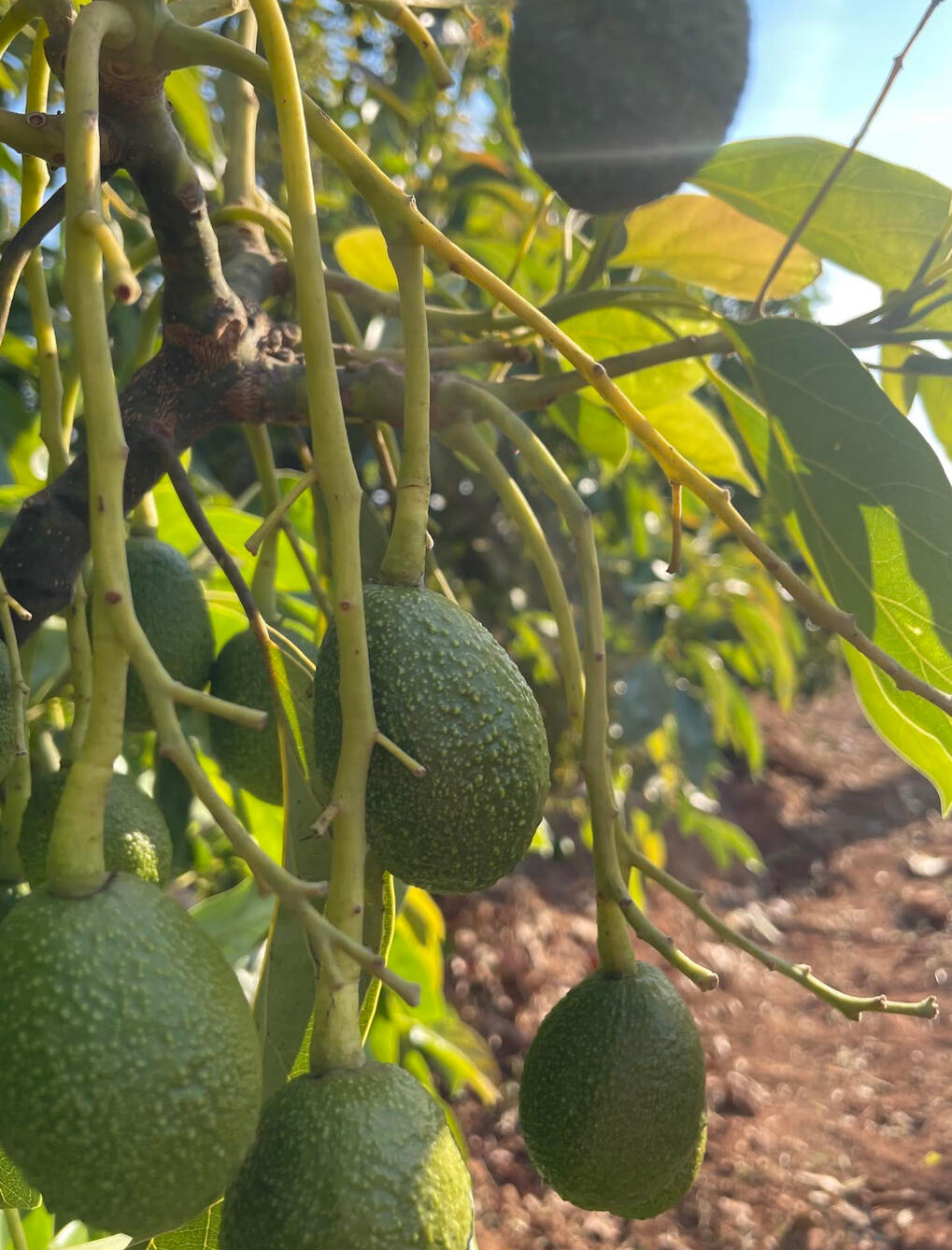
Zambia: Maize Cob to Avocado
Zambia: Sustainable Avocado Growth
Upcycling maize cobs into nutrient-rich biochar to enhance avocado orchard health and moisture retention. This project empowers local growers to achieve sustainable, high-yield fruit production for export.
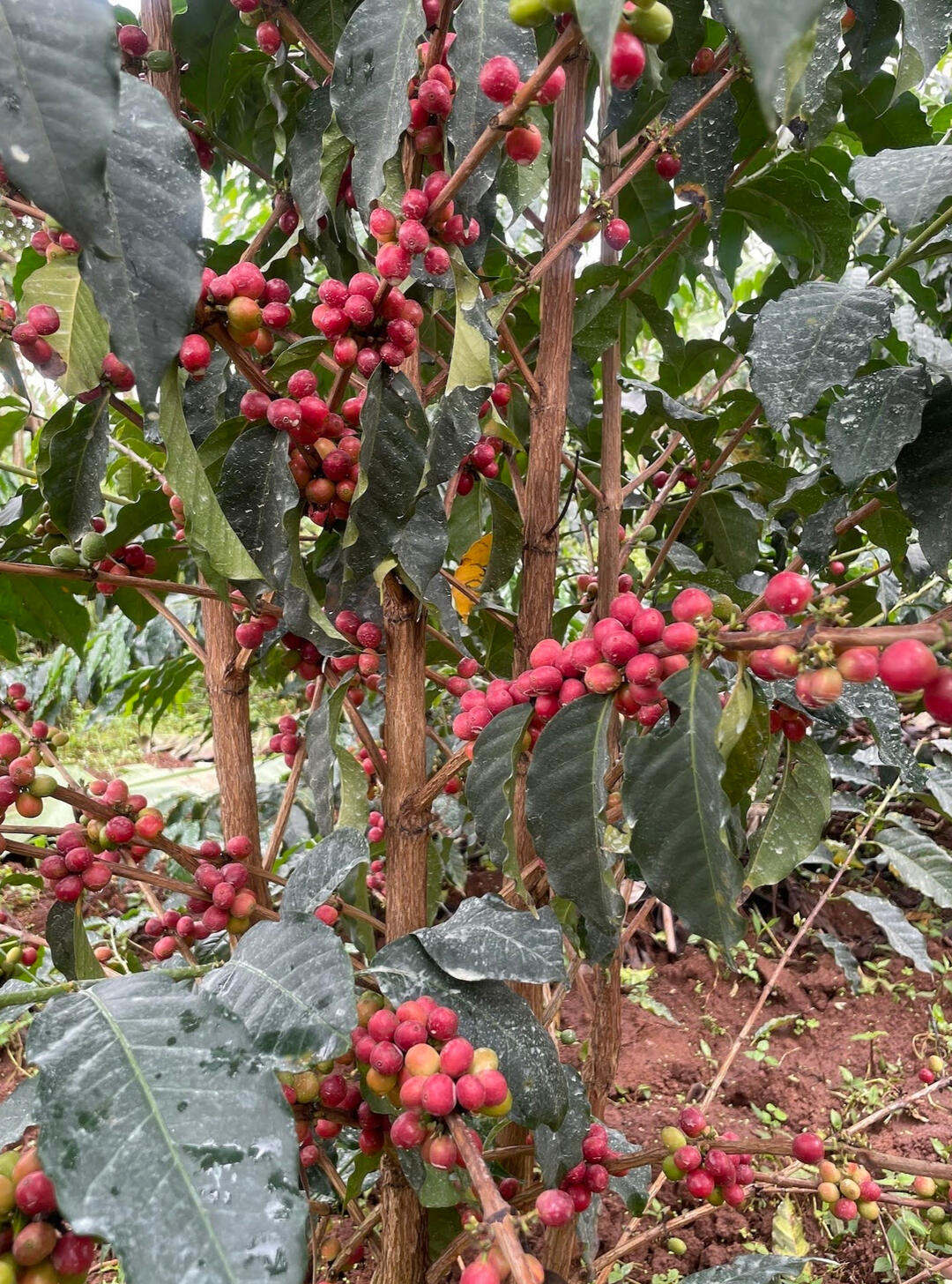
Uganda: Coffee Husk Yield Boost
Uganda: Circular Coffee Farming
Converting coffee processing husks into biochar to revitalize plantations and significantly increase crop yields. This circular approach strengthens soil resilience and long-term income for smallholder coffee farmers.
Kenya: Sugarcane Bagasse Biochar
Kenya: Restoring Soil Fertility
Transforming sugarcane bagasse into premium biochar to restore depleted soils in Kenyan sugar belts. This initiative provides a cost-effective alternative to chemical fertilizers while reducing industrial agricultural waste.
updates
Press & Updates
contact us
Scaling impact across Africa, together.
Path Being.LLC
HQ: 1-8-27, Nishisakawa, Odawara, Kanagawa JAPAN
© 2026 Path Being.LLC | All Rights Reserved.